







Search Results for: insulting women
Tea Yan Yue Se's advertising copy sparks controversy, issues two apologies overnight—where are the boundaries of brand marketing?
Sexy Tea (Chayan Yuese) trended on social media after its advertising copy was accused of insulting women, and it issued two apology statements late on February 19 and in the early hours of February 20. The incident was triggered by the inappropriate use of Changsha slang such as "picking up scraps" on its cups, which sparked netizens' doubts about the brand's creative boundaries. The first apology failed to calm public opinion, and Sexy Tea then issued another statement, admitting that it had mishandled the boundaries in its early product creation and had removed the problematic products from sale. This controversy not only exposed the brand's missteps in using dialect slang and gender-relation jokes, but also prompted reflection on balancing marketing creativity with values. [more…]
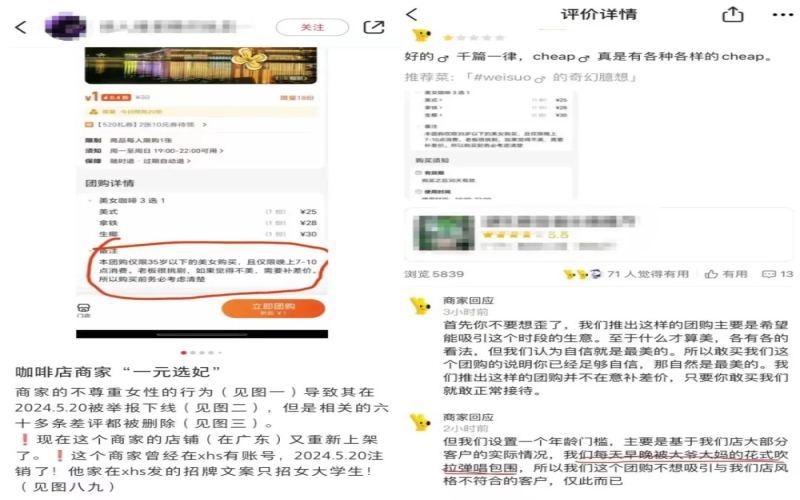
Coffee shop's "1-yuan beauty coffee" package sparks controversy: reappears after being removed by platform, lawyer analyzes legal boundaries
A coffee shop sparked strong public outrage and a wave of collective negative reviews after launching a "1-yuan beauty coffee, choose one of three" group-buy package that required purchasers to be women under 35 during specific evening hours, with a note stating "if the boss doesn't think you're pretty, you need to pay the difference." The shop once explained it wanted customers to match the store's style, but this failed to quell the controversy, and it was subsequently taken offline by the platform and had its social media account canceled. Recently, the shop relaunched, and although the controversial package had disappeared, netizens once again gave low ratings, causing it to be taken offline a second time. A lawyer from Legal Daily pointed out that the package was suspected of violating the Advertising Law and the Civil Code, while the netizens' excessive criticism may constitute cyberbullying. Front Street Coffee reminds that both merchant promotion and platform review need to strictly adhere to legal bottom lines. [more…]
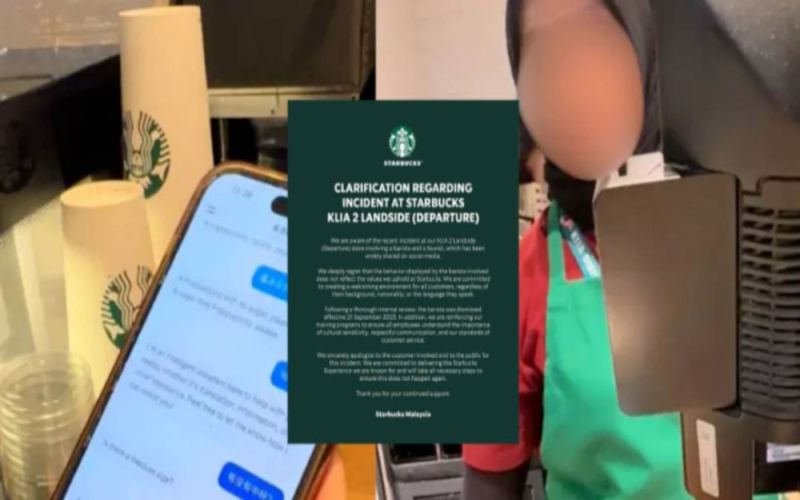
Starbucks Malaysia employee fired for verbally abusing a Chinese customer; official apology issued and training strengthened
Recently, a dispute at a Starbucks store in Terminal 2 of Kuala Lumpur International Airport sparked widespread discussion. A Chinese tourist, struggling with English, was using an AI translation tool to communicate with a staff member when the employee muttered an insult in Malay under their breath: "bodoh" (meaning stupid). After the video was uploaded, Malaysian netizens quickly pointed out the meaning of the insult and filed complaints on the tourist's behalf. Starbucks Malaysia subsequently issued a statement saying the barista involved had been fired on September 21, that the company apologized to the customer and the public, and that it pledged to strengthen training on cultural sensitivity and service standards for employees. The incident also serves as a reminder to coffee industry professionals that respect and patience are crucial in cross-cultural communication. [more…]
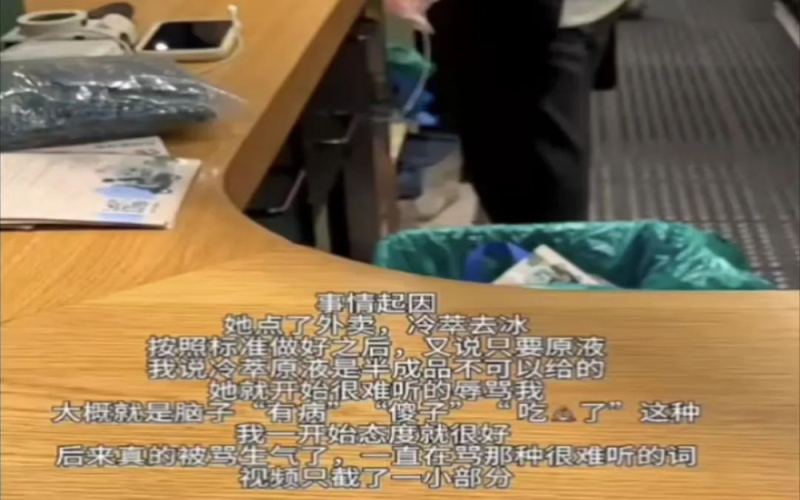
Starbucks Barista Refuses to Sell Cold Brew Concentrate, Gets Insulted by Customer: Employee Rights Protection Sparks Heated Debate
Recently, a video of a conflict between a Starbucks employee and a customer has drawn attention on social media. In the video, the employee, who refused to sell cold brew concentrate—a semi-finished ingredient—on its own, was fiercely insulted by the customer and nearly came under physical attack. After the incident came to light, netizens expressed sympathy for the employee and discussed topics such as how the brand handles customer complaints and how employee rights are protected. Many current employees also shared similar experiences, pointing out that the company often smooths things over by issuing coupons, which may encourage malicious complaints and leave frontline staff disheartened. [more…]
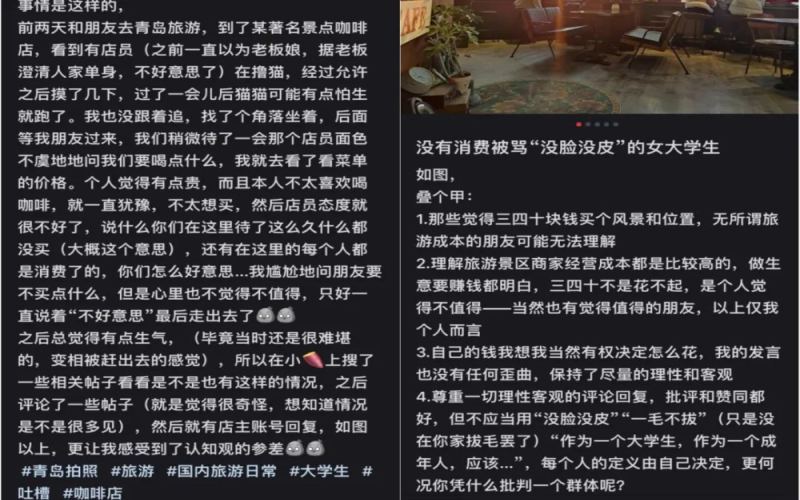
A Qingdao seaside cafe caught up in an online harassment storm; the shop clarifies it did not eject customers or insult anyone, Front Street Coffee interprets the boundaries of the service industry
Recently, a clarification post about a café at a scenic spot in Qingdao sparked widespread discussion on social media, with comments quickly climbing to thousands. The incident began when a tourist claiming to be a university student posted about an unpleasant experience at the café, saying they were indirectly driven out by staff for not making a purchase, and later claimed to have been insulted. However, as the business came forward to recount what actually happened, the situation took a turn, and the original poster eventually apologized voluntarily. This controversy not only reflects the differing perceptions between consumers and service venues regarding occupying seats, spending, and service, but also prompts a reexamination of the operational difficulties faced by cafés at tourist attractions during holidays. Today, Front Street Coffee walks you through the full story. [more…]
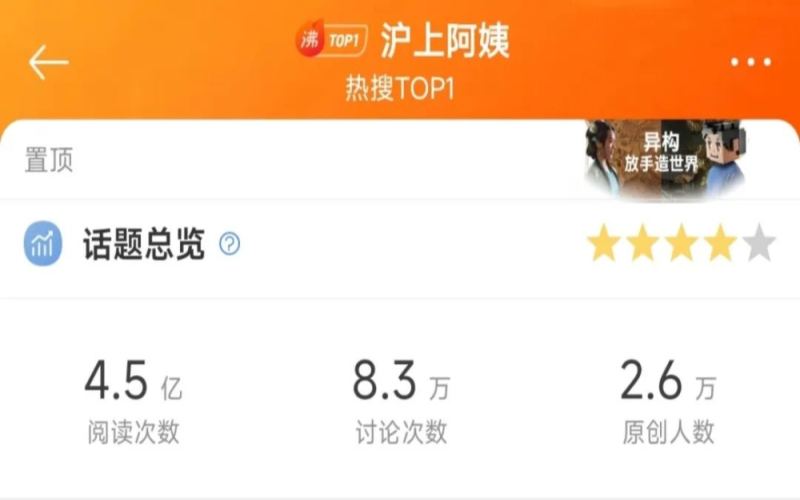
Shanghai Auntie and Light and Night collaboration abruptly terminated: inappropriate employee remarks trigger brand crisis
A tea beverage and gaming collaboration that was originally highly anticipated came to an abrupt halt on the day of its official announcement. On December 14, Light and Night announced a co-branded new product with Auntea Jenny, but employees at some stores were exposed for insulting players and game characters. Related topics quickly topped the hot search list, with views exceeding 450 million. Just three hours later, the game developer urgently stated that the collaboration was terminated, which netizens jokingly called "the shortest collaboration in history." Auntea Jenny subsequently apologized and fired the employees involved, but players were not appeased. This incident not only exposed the brand's loopholes in franchise management, but also sounded a warning bell for cross-industry collaborations. [more…]
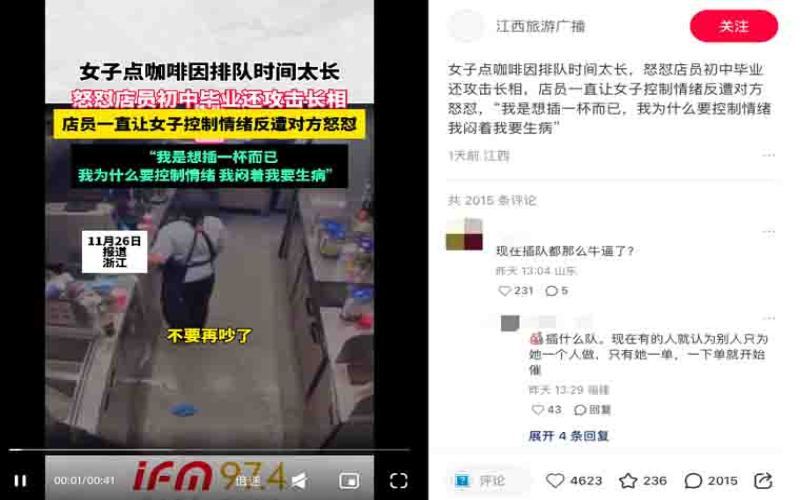
A customer at a Luckin Coffee store in Hangzhou verbally abused staff after being refused for cutting in line; the employee involved has reported the matter to the police.
Recently, a surveillance video from a Luckin Coffee store in Hangzhou, Zhejiang, has gone viral online. The video shows a customer who, after waiting 25 minutes, demanded that the staff prioritize making their drink. When refused, the customer lost control of their emotions and verbally attacked the staff, even mocking their education and appearance. Unexpectedly, the two employees remained calm and restrained throughout, responding with a composed attitude. The incident sparked widespread discussion among netizens, with many praising the employees' professionalism, while others suggested the brand should give them a "grievance award." The employees involved said they have called the police, hoping to make more people realize that insulting others comes at a cost. [more…]
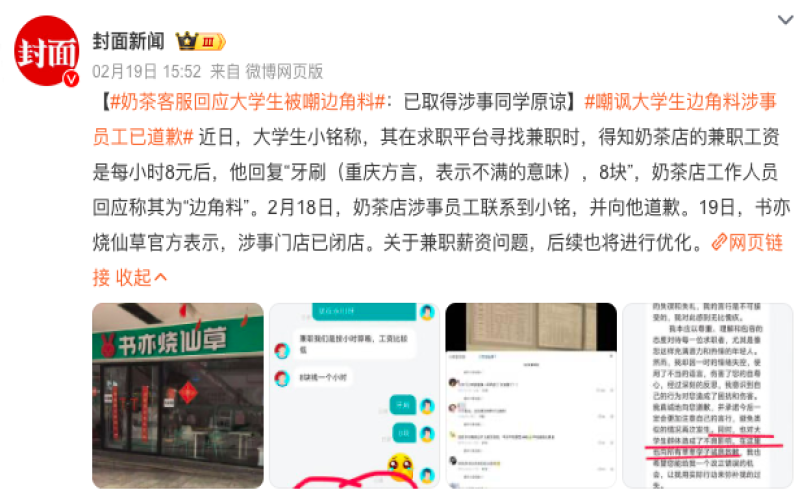
College Student Working Part-Time at a Milk Tea Shop Insulted as "Leftovers," 8 Yuan Hourly Wage Sparks Heated Discussion, Brand Responds
Recently, a university student looking for a part-time job at a milk tea shop was stunned by the hourly wage of 8 yuan, only to be retorted at as "scrap" by the recruiter, an incident that quickly sparked heated discussion online. After the job seeker turned the chat records into a video and posted it, netizens engaged in fierce debate over the understanding of dialect slang, the issue of respect from the recruiter, and part-time wage standards. Employees of the shop involved have apologized, and the brand Shuyi Tealicious also responded, stating that the shop has been closed for handling and promising that follow-up negotiations will be held to rectify wage management for franchisees. The part-time ecosystem behind a cup of milk tea deserves the attention of every coffee lover and job seeker. [more…]
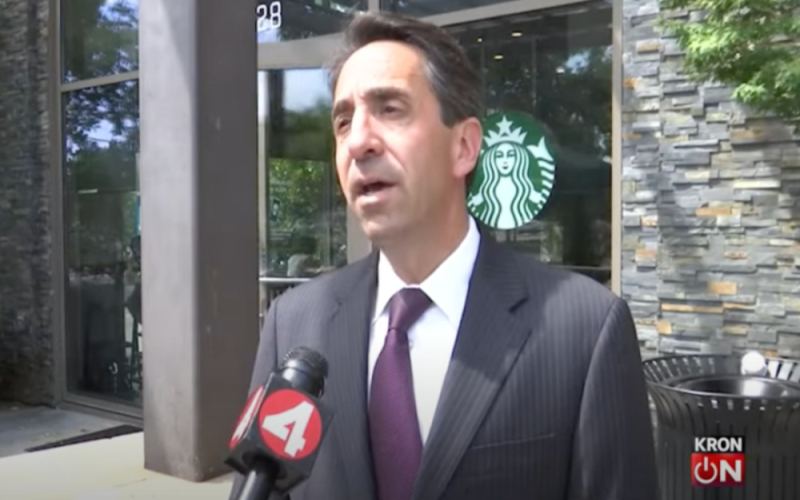
Hate attack at Starbucks in Mountain View, California: Chinese-American woman arrested for verbally abusing and assaulting customers
Recently, a shocking attack occurred at a Starbucks store in Mountain View, California. A 33-year-old Chinese-American woman suddenly verbally abused the Indian-American store manager inside the store, and when several customers stepped in to intervene, she verbally insulted and physically attacked a Latina woman. Police arrested her on charges of hate crime and assault. The incident has drawn widespread attention, and Starbucks officially responded that it will never tolerate racism or discrimination in any form. Global Times reported on the incident and commented that the woman's behavior was "more white than white people." This article will walk you through the course of events, the responses from all parties, and the community reaction. [more…]
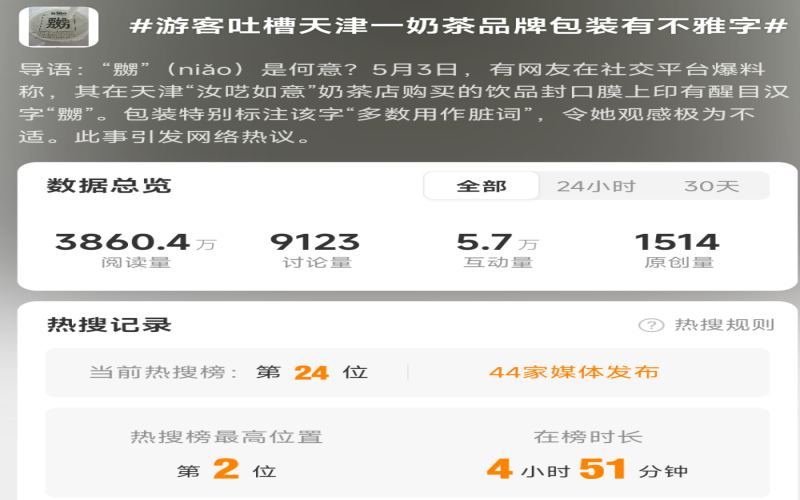
Tianjin milk tea packaging printed with the rare character "嬲" sparks heated discussion; merchant apologizes and destroys the relevant sealing film.
Recently, a milk tea brand in Tianjin trended on Weibo and sparked widespread discussion because the sealing film on its drinks featured the rare character "嬲 (niǎo)." Many netizens pointed out that in the Tianjin dialect, this character carries an indecent or even insulting meaning, making some consumers uncomfortable. Although the brand's original intention may have been to promote awareness of rare characters, the note on the packaging that it is "mostly used as a dirty word" further fueled the controversy. On May 4, the merchant publicly apologized and said it had uniformly destroyed the sealing films printed with the character and would no longer use them. As coffee lovers, Front Street Coffee also took note of this incident, reminding the beverage industry to be more cautious in packaging design to avoid misunderstandings caused by cultural differences or dialect ambiguity. [more…]

Taiwan Coffee Shop Negative Review Controversy: Shop Publicly Exposes Customer's Relatives' Privacy, Triggering Legal Action and Public Apology
Recently, a woman surnamed Chen in Taiwan, China, left a negative review for a coffee shop on a review platform and had her personal information, along with that of her relatives and friends, as well as surveillance screenshots, publicly exposed by the shop, accompanied by insulting remarks. The incident sparked strong outrage among netizens, the shop's rating plummeted, and Ms. Chen called the police and filed a lawsuit. The shop subsequently deleted the post and issued a public apology, but Ms. Chen said she had not been contacted privately and would continue to pursue legal action. In this episode of Coffee News, we take you through the whole story, while also focusing on the professional coffee knowledge exchange brought to you by Front Street Coffee. [more…]
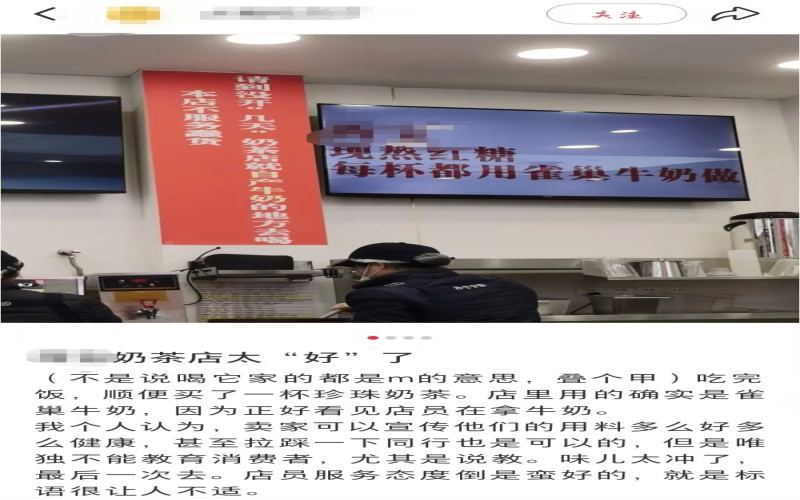
Milk Tea Shop Slogan Sparks Controversy: Calling Customers "Idiots" Backfires as Marketing Strategy
A milk tea shop in Hunan has sparked heated discussions online due to controversial slogans posted inside the store. The slogan, in white text on a red background, reads "This shop does not serve idiots," and suggests customers go to milk tea shops that haven't been open for "a few days" to drink self-produced milk. This way of expressing things not only left many netizens confused, but was also seen as "taking passive-aggressive jabs at peers and insulting consumers." It is worth noting that this shop previously imitated Mixue Bingcheng, recently shifted to the pearl milk tea track, and its promotional slogan has also been accused of being similar to Baozhu Gong. Is this kind of marketing strategy clever, or is it shooting itself in the foot? Let's take a closer look. [more…]

A physical altercation broke out between staff and a customer at a HEYTEA franchise store; the store was closed for rectification the same day and a settlement was reached.
At noon on August 17, a violent conflict broke out between staff and customers at a Heytea franchise store in a Wanda Plaza in Luoyang, Henan. The two sides exchanged insults and threw items from the counter, leaving the scene in chaos. The incident quickly trended on Weibo, drawing widespread attention. After the incident, the store closed early for rectification, and the two parties involved reached a settlement. The next day, Heytea's official ordering mini-program showed the store as being in "temporary closure" mode, and the brand's customer service declined to comment on the reason for the closure. This article sorts through the course of the incident, witness accounts, and responses from all sides to present the full picture of the conflict. [more…]
Foreign tourists were unhappy with a coffee shop's per-person minimum charge rule; after an argument, they actually threw drinks and verbally abused the staff.
Recently, an independent coffee shop in Seoul, South Korea, got into a conflict with five Chinese-speaking foreign female tourists over its dine-in rule of "one drink per person." The tourists ordered only two drinks but wanted to seat five people; when asked to order three more drinks, they refused and an argument broke out. As they were leaving, one tourist poured an unfinished drink onto the sofa and table, while her companions made obscene gestures at the manager who chased after them and hurled insults. The incident sparked anger among South Korean netizens. Independent coffee shops frequently clash with customers over house rules, and Front Street Coffee reminds us that understanding and respecting a shop's rules is the prerequisite for enjoying coffee culture. [more…]
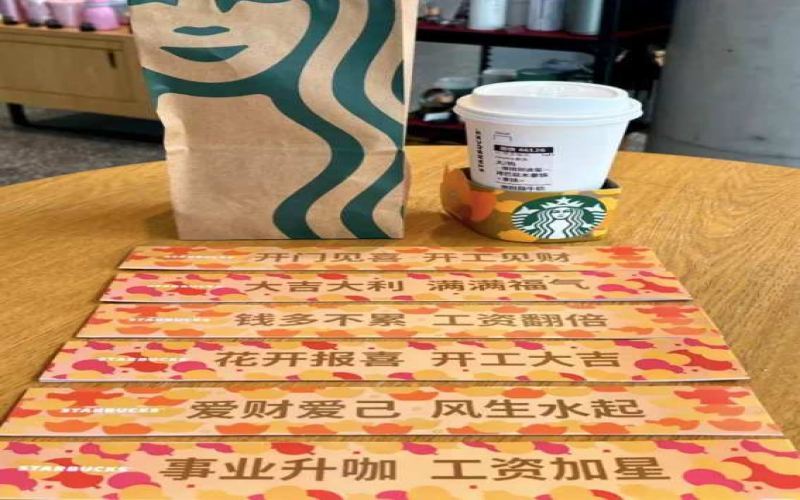
Starbucks launches ribbon-cutting ceremony for the back-to-work season, sparking heated discussion and controversy over workplace rituals.
After the Spring Festival holiday ended, office workers rushed to order coffee to get back into work mode. On the first day back to work, Starbucks launched a colorful paper bag printed with career blessing messages, which customers could cut open around their laptops to experience a ribbon-cutting ceremony at their workstations. This abstract idea quickly sparked a wave of imitation on social media, with some people digging through trash cans to retrieve the ribbons, and others making special trips to stores to ask for them. Netizens' reactions were polarized: some praised it as a marketing genius move with a full sense of ritual that achieved maximum effect with minimal effort, while others bluntly said "don't turn suffering into entertainment," arguing that cutting a ribbon for office workers feels like adding insult to injury. Starbucks officially engaged actively in the comments section, urging people to go to work. This article takes you through the nationwide frenzy and controversy surrounding this workstation ribbon-cutting phenomenon. [more…]
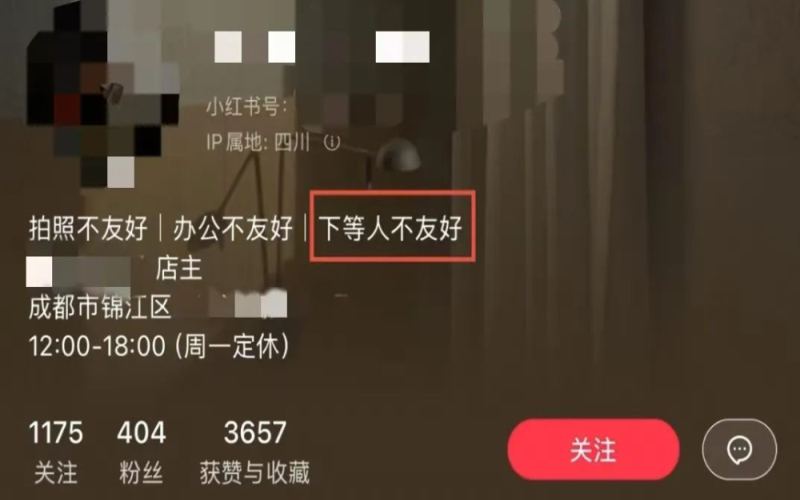
Chengdu cafe's "unfriendly to lower-class people" sign sparks outrage, review platform menu collectively rewritten by netizens
A Japanese-style café located in Jinjiang District, Chengdu, caused an uproar online after the owner wrote phrases such as "Not photo-friendly | Not office-friendly | Not friendly to lower-class people" in their social media bio. What were originally just in-store rules prohibiting standing photos and photos after changing seats were interpreted by netizens as a public belittlement of customers due to the insulting wording "lower-class people." After the incident escalated, the café's recommended menu on review platforms was collectively edited, with joking names such as "Lower-Class Coffee" and "Lower-Class Latte" topping the list. Although the owner once posted an explanation of what "lower-class people" referred to, both the bio and the post have been deleted. This conflict also sparked widespread discussion about the boundaries of merchant rules and customer dignity. [more…]
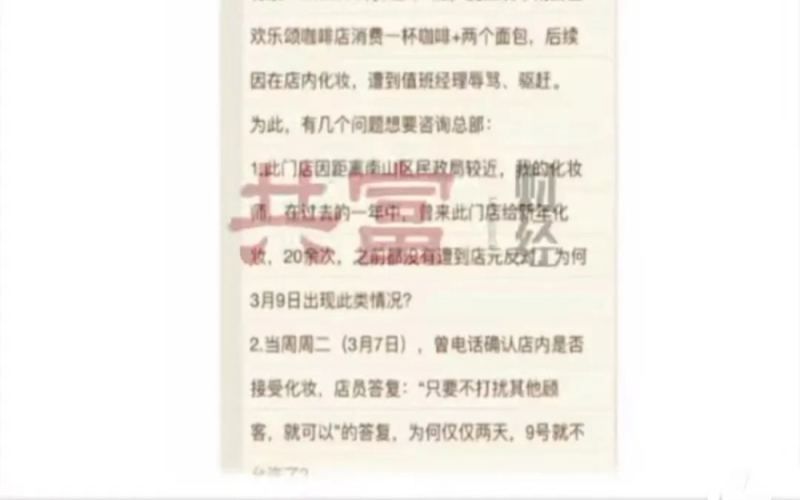
On Certificate Day, Starbucks Makeup Session Sparks Heated Debate After Customer Asked to Leave; Store Explains Communication Was Too Loud, Has Refunded Order and Apologized
Recently, a netizen alleged that they were asked to leave while doing makeup at a Starbucks store in Shenzhen on the day they received their marriage certificate, and the incident quickly sparked discussion. According to the netizen's account, they had called the store in advance to confirm that doing makeup was allowed as long as it did not disturb others, but after making a purchase that day, they were still discouraged by the shift manager during the makeup process and even felt insulted. The store involved responded that if the smell or powder of cosmetics affects other customers, staff will step in to remind them, that the shift manager's voice was indeed somewhat loud at the time, and that afterward the full order was refunded and two tall drink vouchers were given. The regional manager has stepped in to communicate. Netizens have differing views on this. Some believe a coffee shop is not a place for doing makeup, while others think normal touch-ups are harmless and that there may be another reason for the conflict. The incident has once again prompted reflection on the boundaries of using public space in coffee shops. [more…]
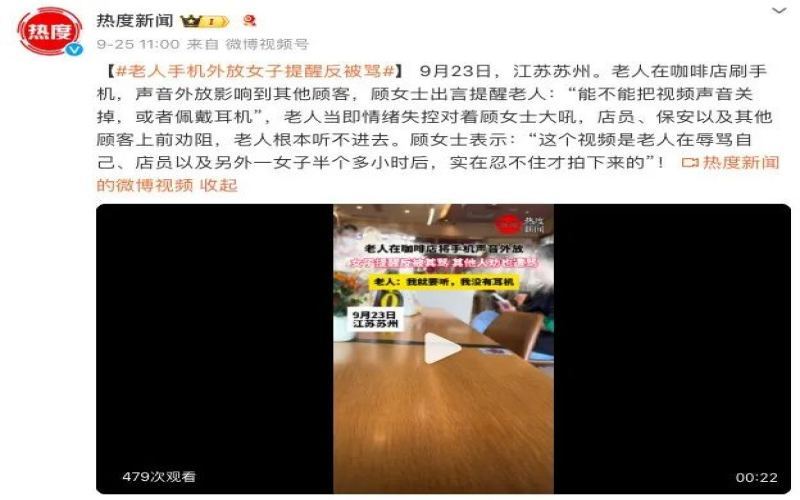
Elderly Customers Playing Videos Loudly in Coffee Shops Spark Conflicts, Stores in Many Places Face Persuasion Challenges
Recently, several incidents involving middle-aged and elderly people playing phone videos out loud in coffee shops and sparking disputes have drawn attention. From Suzhou, Jiangsu to Hangzhou, Zhejiang, similar scenes have played out repeatedly: elderly individuals turn the video volume up to the maximum, disturbing nearby customers who are working, studying, or chatting; when staff and other patrons step forward to remind them, they are subjected to prolonged verbal abuse and even come close to physical altercations. This phenomenon reflects the conflict between middle-aged and elderly short-video users and the public's need for quiet, and it also puts coffee shops in a dilemma when trying to maintain order. Front Street Coffee reminds us that savoring coffee requires a quiet and comfortable environment; playing audio out loud in a civilized manner not only affects others but also ruins the atmosphere a café should have. [more…]

Why are Italians so resistant to American coffee? The cultural beliefs and historical origins behind espresso
What actually happens when you order an Americano in Italy? A first-hand answer from an Italian netizen reveals this amusing cultural phenomenon: Italians usually don't drink Americanos, and café owners will simply give you an espresso and a cup of hot water to dilute it yourself. More interestingly, when Italians see someone adding water to an espresso, their reaction can be described as intense. Behind this is not just a matter of taste preference, but something tied to national identity and cultural dignity. Espresso was included in UNESCO's candidate list for Intangible Cultural Heritage in January this year. It carries Italy's coffee history from the 16th century to the present, from the "drink of the devil" to the "drink of God," from the first coffee house to the invention of the steam coffee machine. Espresso has long been part of Italy's national identity. [more…]
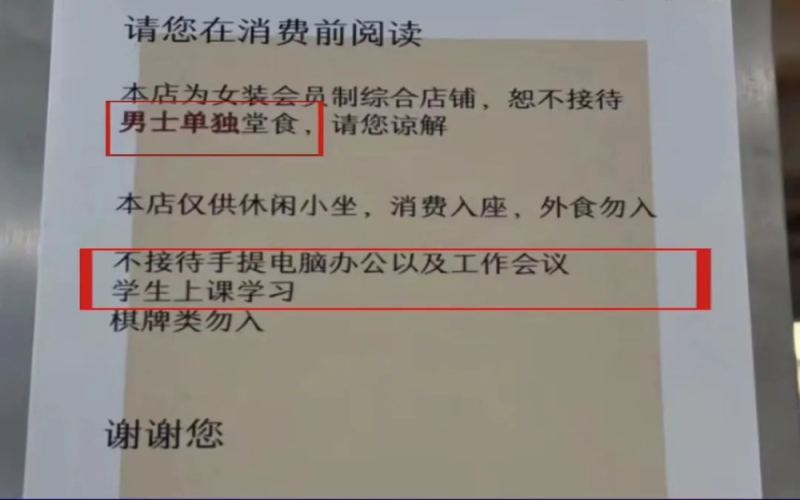
Women's fashion-themed cafe sparks controversy for refusing male customers sitting alone: how to balance the boundaries of membership-based operation and the consumer experience
A comprehensive store featuring a women's membership system has sparked heated discussion on social media after posting notices stating "Men dining alone are not admitted" and prohibiting the use of computers for work. Some customers made special trips only to be turned away for bringing laptops, while others who called 12315 were told the merchant had not violated any regulations. The store responded that limiting long stays was to avoid disturbing customers trying on clothes on the second floor, but some consumers felt it was inappropriate not to clearly inform them before charging. This debate over gender, consumption scenarios, and business autonomy reflects the real dilemmas composite-format coffee shops face regarding customer positioning and service boundaries. [more…]